Find neurological reflex testing diagnostic manikin for schools, hospitals, clinics
Source 30 neurological reflex testing diagnostic manikin options from verified Chinese manufacturers. Buyers can compare detailed anatomical structures, materials like PVC, and training applications for medical education and clinical practice.
Key considerations
Products List





Comprehensive Sourcing Guide
Strategic Sourcing Guide for Neurological Reflex Testing Diagnostic Manikins
The procurement of neurological reflex testing diagnostic manikins represents a specialized segment within the broader medical education and simulation market. These devices are critical for training students, teachers, and medical professionals in the assessment of human reflexes and neurological function without the risks associated with live patient interaction. Buyers entering this market must navigate a landscape defined by diverse product attributes, varying material compositions, and specific regulatory requirements. The following guide synthesizes available market data and technical observations to provide a structured approach for sourcing these educational models effectively.
Technical Specifications and Anatomical Fidelity
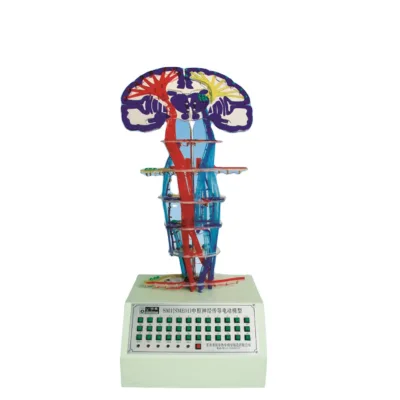
When evaluating a neurological reflex testing manikin, the primary technical criterion is the fidelity of the anatomical structures presented. The core function of these devices is to replicate the tactile and visual cues necessary for accurate diagnosis. Available market data indicates that high-quality models often feature "Detailed Anatomy structures" or "Detailed Human Structures" as a primary selling point. This level of detail is essential for learners to identify specific nerve pathways and reflex points accurately.
Material composition plays a pivotal role in the realism of the simulation. The observed market frequently utilizes "Advanced PVC" or standard "PVC" and "plastic" materials. These materials are selected for their durability and ability to mimic the texture of human skin and underlying tissues. For instance, specific models are described as having a "natural" color to enhance visual realism. The physical dimensions of the manikin are also a critical specification; some units are marketed as "life size," while others may vary in scale. Buyers must verify that the "Single package size" and overall dimensions align with the intended training environment, whether it is a standard classroom or a specialized hospital simulation lab.
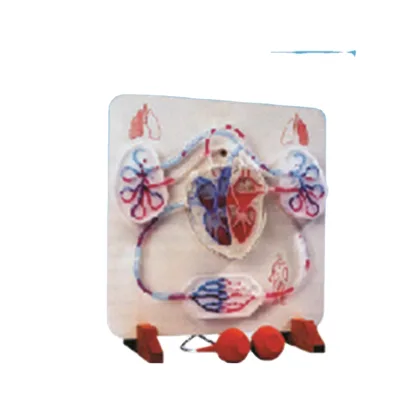
Furthermore, the mechanical design of the manikin must support the specific diagnostic actions required. While some models are described as "Manual hydraulic blood circulation simulators," others function as static anatomical models. The distinction is vital for neurological training. A model intended for reflex testing must allow for the physical manipulation of limbs to simulate the stretch reflex. The "Craft" of the product, often noted as "Hand Painting," ensures that anatomical landmarks are clearly visible and distinguishable. Buyers should request detailed specifications regarding the "Model Number" and "Single package size" to ensure the unit meets the spatial and functional requirements of their curriculum.
Compliance, Certification, and Regulatory Standards
Navigating the regulatory landscape is a non-negotiable aspect of sourcing medical simulation equipment. While these devices are primarily educational, they are often used in clinical training environments where safety and quality standards are paramount. The market data highlights several certification claims, including "CE ISO" and "ISOCE." These designations suggest that the products may adhere to specific international quality management and safety standards, which is a strong indicator of a supplier's commitment to quality.
However, buyers must exercise caution and verify these claims directly. The presence of a certification label does not automatically guarantee compliance with the specific regulations of the buyer's country or region. For example, "ISOCE" may refer to a specific combination of standards, but the exact scope of certification must be confirmed. Additionally, the "WARRANTY" period, observed as "1 year" in some listings, serves as a proxy for the manufacturer's confidence in the product's durability and compliance.
Sterilization status is another critical compliance factor. Most educational manikins are marked as "Non Sterilization," indicating they are not intended for direct patient contact but rather for simulation. This distinction is crucial for infection control protocols in hospitals and schools. Buyers must ensure that the "Application" field explicitly states "Clinical" or "Education" to align with their intended use case. If a product claims "Clinical" application, it must be verified whether it meets the specific hygiene standards required for that environment. The "Power Type" is another specification to note; many of these models are "Without Power," relying on mechanical or manual operation, which simplifies compliance with electrical safety standards but requires verification of mechanical safety.
Cost Drivers and Pricing Structures
The pricing of neurological reflex testing manikins is influenced by a complex interplay of factors, including material quality, anatomical complexity, and brand reputation. The observed price range in the market is extensive, spanning from $0.50 to $43,500. This wide variance suggests that the market includes both basic educational aids and highly sophisticated, life-size simulation units. The lower end of the spectrum likely corresponds to simplified models or smaller components, while the upper end may reflect comprehensive training manikins with advanced features, such as hydraulic systems or detailed electronic integration.
The "MOQ" (Minimum Order Quantity) is a significant cost driver for procurement planning. The observed range is between 1 and 100 units. A low MOQ of "1 Pcs" allows for small-scale procurement, which is beneficial for schools or clinics testing a new product line. However, larger orders may benefit from volume discounts, though specific discount structures are not universally standardized. The "Selling Units" are typically listed as "Single item," meaning buyers can purchase individual units without being forced into a bulk package unless negotiated.
Other cost factors include the "Customization" options available. If a buyer requires specific branding, such as an "OEM" (Original Equipment Manufacturer) option, the cost will likely increase. The "Single gross weight" of the unit, observed at 25.000 kg for some models, also impacts shipping costs. Heavier, life-size manikins will incur higher logistics expenses compared to lighter, smaller models. Buyers should calculate the total cost of ownership, including shipping, insurance, and potential import duties, rather than focusing solely on the listed unit price.
Typical Applications and User Demographics
Understanding the intended application of the manikin is essential for selecting the right product. The primary "Customer groups" identified in the market include "student," "teacher," and "doctor." This triad indicates that these devices serve a continuum of education, from undergraduate medical training to professional development for practicing clinicians. The "Usage" is consistently described as "For schools and hospitals," reinforcing their role in formal educational settings and clinical training centers.
The "Subject" of these products is broadly categorized as "medical science," with a specific focus on "neurological reflex testing." The "Function" is explicitly stated as "for learning and training," highlighting their pedagogical purpose. Unlike diagnostic tools used on live patients, these manikins are designed to facilitate repetitive practice and skill acquisition. The "Category" is often listed as "education and science" or "educational models," distinguishing them from clinical diagnostic equipment.
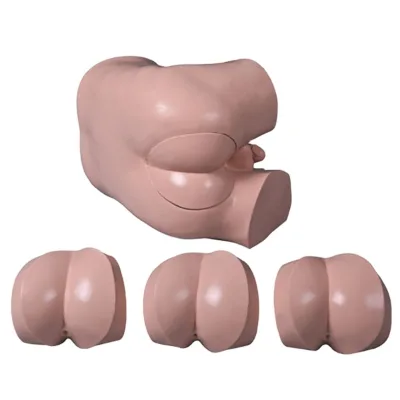
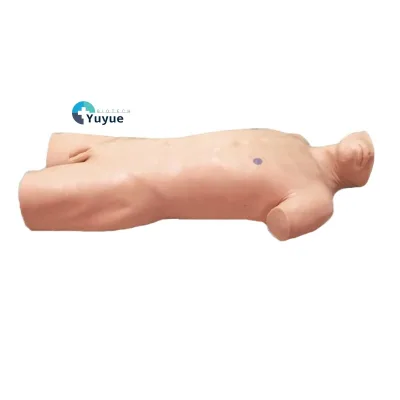
For neurological reflex testing specifically, the manikin must allow for the simulation of various reflex arcs. This includes the ability to test deep tendon reflexes, such as the patellar or Achilles reflex, and superficial reflexes. The "Description" of some products, such as "Rectal Touch Examination Simulator," indicates a broader range of training capabilities, though buyers must ensure the specific model selected focuses on the neurological aspects required for their curriculum. The "Type" of product, whether "Manikin" or "Nursing Manikin," further clarifies the scope of training, with nursing manikins often offering a broader range of general care simulations alongside specific neurological tests.
Supplier Evaluation and Geographic Considerations
When evaluating potential suppliers, geographic origin is a relevant factor, though not a definitive indicator of quality. The observed "Place of Origin" for these products includes locations such as "Henan, China," "Shanghai, China," and "Beijing, China." These regions are known for their manufacturing capabilities in the medical equipment sector. The "Brand Name" associated with these products varies, with "zhizao," "HENANZHIZAO," and "ciiizaoo" appearing in the market data. While brand names can indicate a level of market presence, buyers should not rely solely on brand recognition.
A robust supplier evaluation process should include a review of the supplier's ability to provide detailed product specifications. The "Model Number" is a key identifier; for example, models like "LV14," "206," "245," "CPR610B," "SME101," and "SME01" represent different product lines. Buyers should cross-reference these model numbers with the specific features required. Additionally, the "OEM" capability, noted as "Accept" in some listings, indicates that the supplier may be willing to customize the product for the buyer's specific needs, such as adding logos or modifying features.
It is crucial to verify the supplier's track record regarding the "WARRANTY" and after-sales support. A standard "1 year" warranty is a baseline expectation, but the terms of this warranty, including what is covered and the process for claims, must be clearly understood. Buyers should also inquire about the "Customization" availability and the lead times associated with custom orders. While specific lead times are not provided in the general data, the complexity of the product, such as "Hand Painting" or "Advanced PVC" molding, can impact production time.
Quality Control and Long-Term Procurement Strategy
Ensuring the long-term viability of the procurement investment requires a focus on quality control and durability. The "Material" used, such as "Advanced PVC" or "plastic," must be resistant to wear and tear, especially in high-traffic educational environments. The "Craft" of the product, particularly "Hand Painting," is a quality indicator that can degrade over time if not properly maintained. Buyers should establish protocols for cleaning and storage to preserve the anatomical details and structural integrity of the manikin.
The "Sterilization" status, typically "Non Sterilization," implies that the product does not require sterilization between uses but must be cleaned with appropriate disinfectants to maintain hygiene. Buyers should verify that the materials are compatible with the cleaning agents used in their facility. The "Power Type" being "Without Power" for many models reduces the risk of electrical failure, but mechanical components must be inspected regularly for signs of fatigue or damage.
For long-term procurement, buyers should consider the scalability of their order. The "MOQ" range of 1 to 100 allows for flexibility, but establishing a relationship with a supplier that can handle larger orders may be beneficial for expanding training programs. The "Single gross weight" and "Single package size" are critical for logistics planning, especially if the buyer intends to distribute multiple units across different locations. Finally, buyers should maintain a clear record of the "Model Number" and "Certification" details for each unit purchased to ensure consistency and facilitate future replacements or upgrades.
Comparative Analysis of Product Attributes
To assist in the decision-making process, the following table summarizes key attributes observed in the market for neurological reflex testing manikins. This comparison highlights the diversity of options available and the specific features that buyers should prioritize based on their needs.
| Attribute | Observation A | Observation B | Observation C |
|---|---|---|---|
| Model Number | LV14 | 206 | SME01 |
| Material | PVC | Advanced PVC | Plastic |
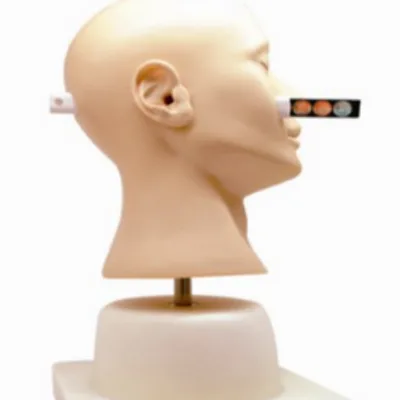
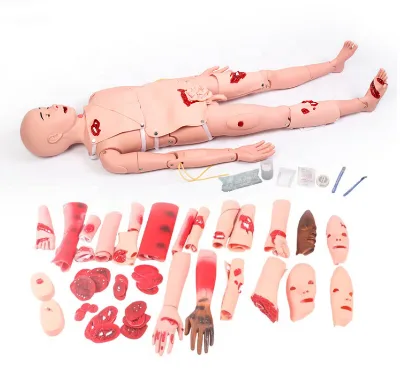
| Product Name | Advanced ear diagnosis model | Comprehensive Training Manikin | Manual hydraulic blood circulation simulator |
| Place of Origin | Henan, China | Shanghai, China | Beijing, China |
| Brand Name | zhizao | HENANZHIZAO | ciiizaoo |
| Certification | CE ISO | ISOCE | (Varies) |
| Weight | Inquiry | 25.000 kg | Inquiry |
| Power Type | Without Power | Without Power | Without Power |
| Application | Clinical | Clinical | Clinical |
| Warranty | 1 year | 1 year | (Varies) |
| Customization | Available | Accept | Available |
This table illustrates that while there is a common thread of "Without Power" and "Clinical" application, the specific model numbers, materials, and origins vary significantly. Buyers must use this data to filter options that align with their specific technical and logistical requirements. The presence of "CE ISO" and "ISOCE" certifications in multiple entries suggests a trend toward international compliance, but verification remains the buyer's responsibility. By carefully analyzing these attributes, procurement teams can make informed decisions that balance cost, quality, and educational effectiveness.
FAQs
What materials are used for neurological reflex testing manikins?
These manikins typically use Advanced PVC or standard plastic materials to mimic human skin texture. Some models feature a natural color and hand-painted details to enhance anatomical realism for training purposes.
Which certifications do these educational models usually hold?
Many listed products claim CE ISO or ISOCE certifications to indicate adherence to safety standards. Buyers should verify these claims directly as they suggest quality management compliance for clinical training environments.
How much does a neurological reflex testing diagnostic manikin cost?
Prices range widely from 0.50 to 43500 USD depending on complexity and size. Basic models are cheaper while life-size units with detailed structures or hydraulic systems command higher prices.
Can buyers customize these manikins for their specific training needs?
Yes, customization is available for many models including OEM branding options. Buyers can request specific modifications, though lead times may vary based on the complexity of the requested changes.
What is the minimum order quantity for purchasing these manikins?
The minimum order quantity can be as low as 1 piece for single items. Some suppliers may have higher thresholds, but the observed range allows for small-scale procurement by schools or clinics.
Where are these medical science training models typically manufactured?
Products originate from various locations in China including Henan, Shanghai, and Beijing. These regions host manufacturers specializing in medical education equipment and simulation models for global distribution.
Are these manikins suitable for clinical application in hospitals?
They are designed for use in schools and hospitals for learning and training purposes. However, most are non-sterilized and intended for simulation rather than direct patient contact or invasive procedures.